Brace yourselves, this is going to be a long post…
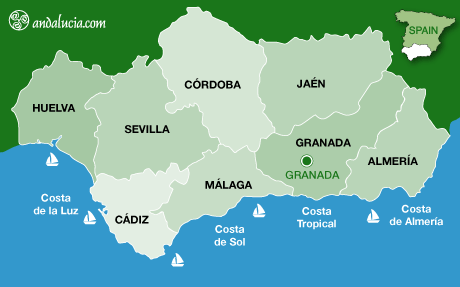
I was lucky enough to call the glorious little Spanish town of Granada home from the beginning of September until the end of December 2012. Granada is located in the very south of Spain, in a region called Andalucia (‘Al Andaluz’ in Spanish … spelling phonetic).
The History
Granada is famous for being the ‘Last Islamic Stronghold in Spain,’ or the last city that Ferdinand and Isabella had to conquer to purge their united Spain of anyone and everything that wasn’t a passionate Catholic during the Reconquista. Before Ferdinand and Isabella swept in, Spain had a long history of Christians, Jews, and Muslims living together and intermingling fairly well, most of the time. This history is evident in everything from the language (For example, Andalucians call olives ‘aceitunas’ which is of Arabic origin, while other fellow Latin languages call olives, well, olives) to the architecture.
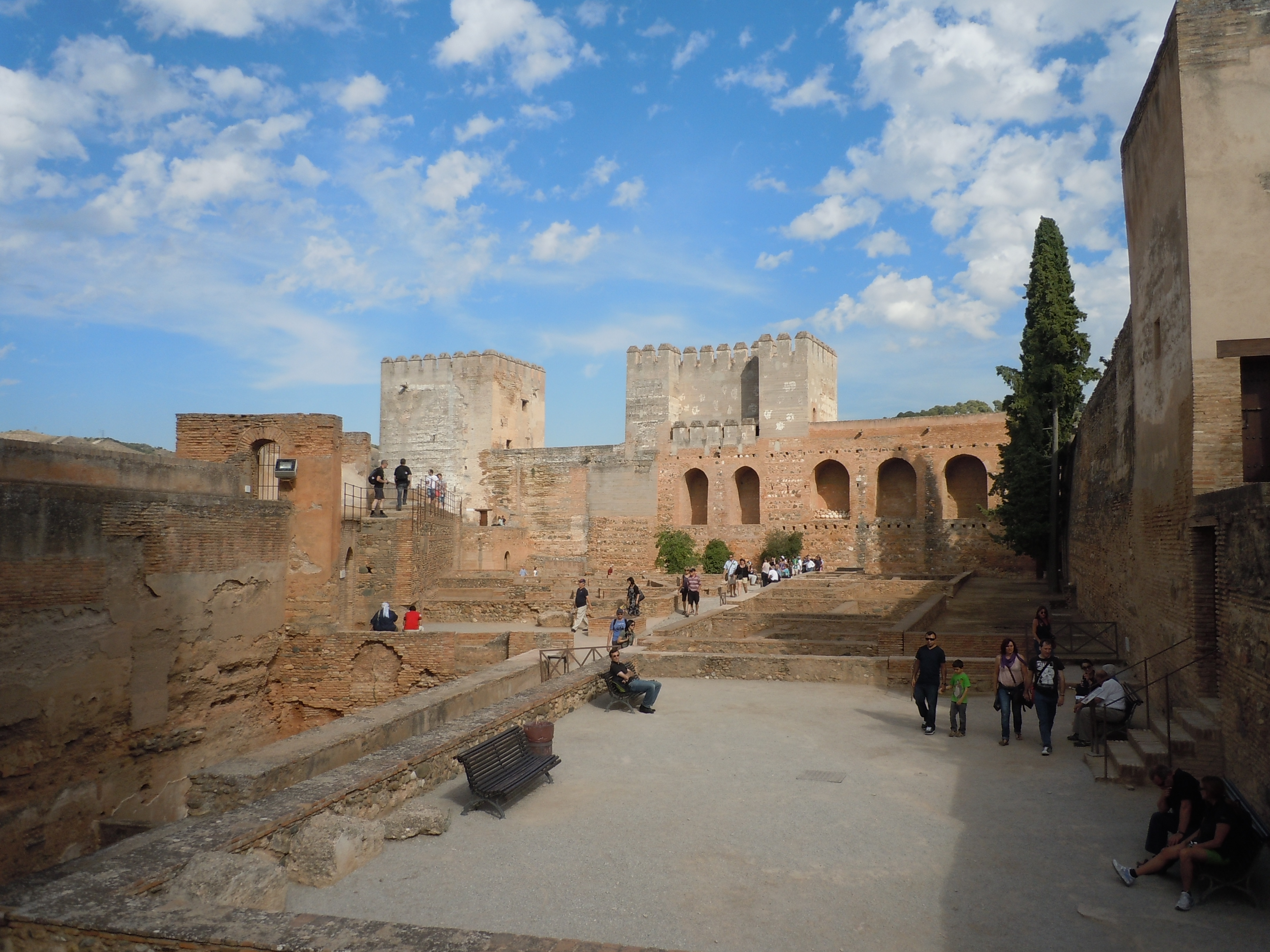
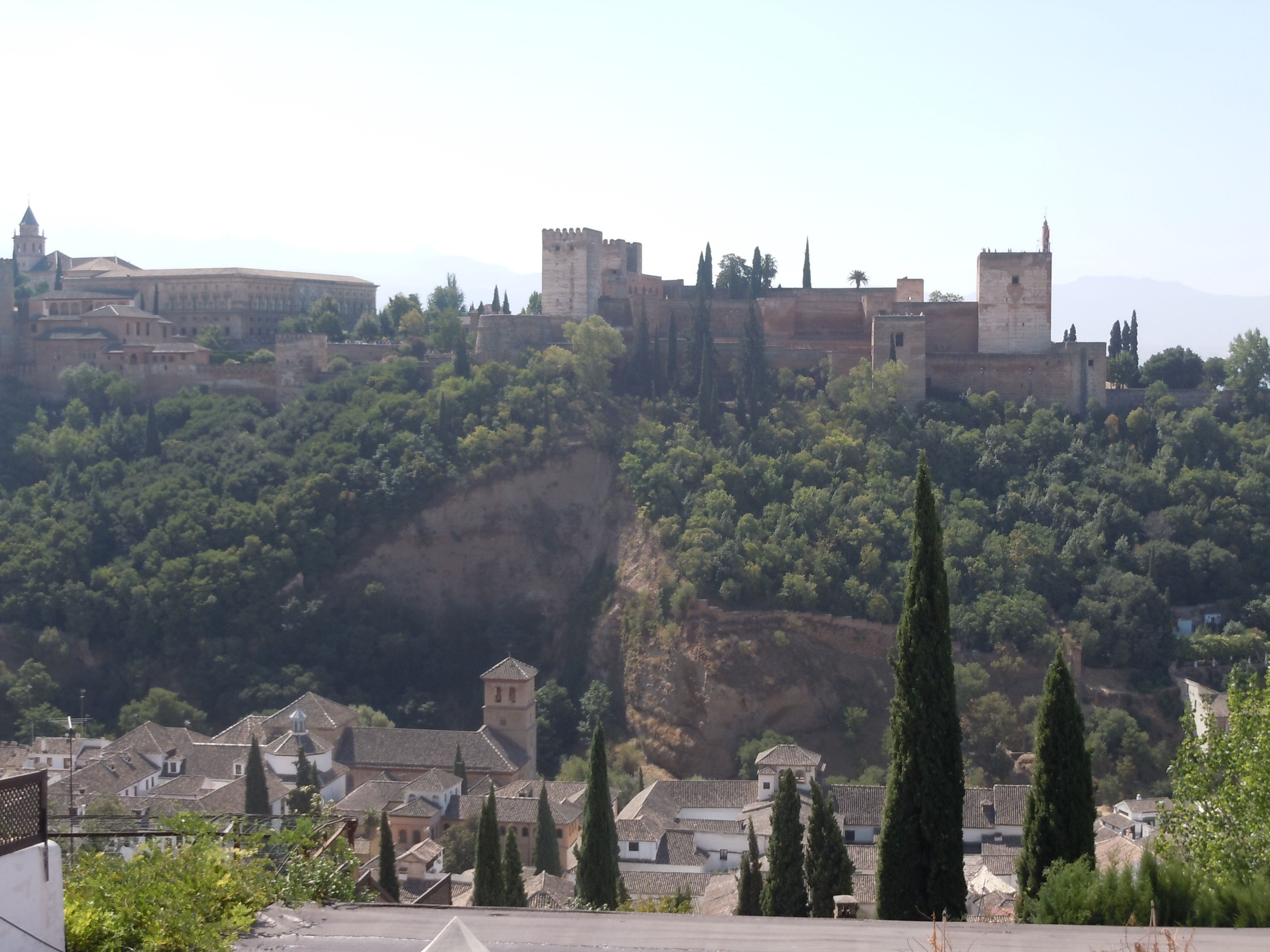
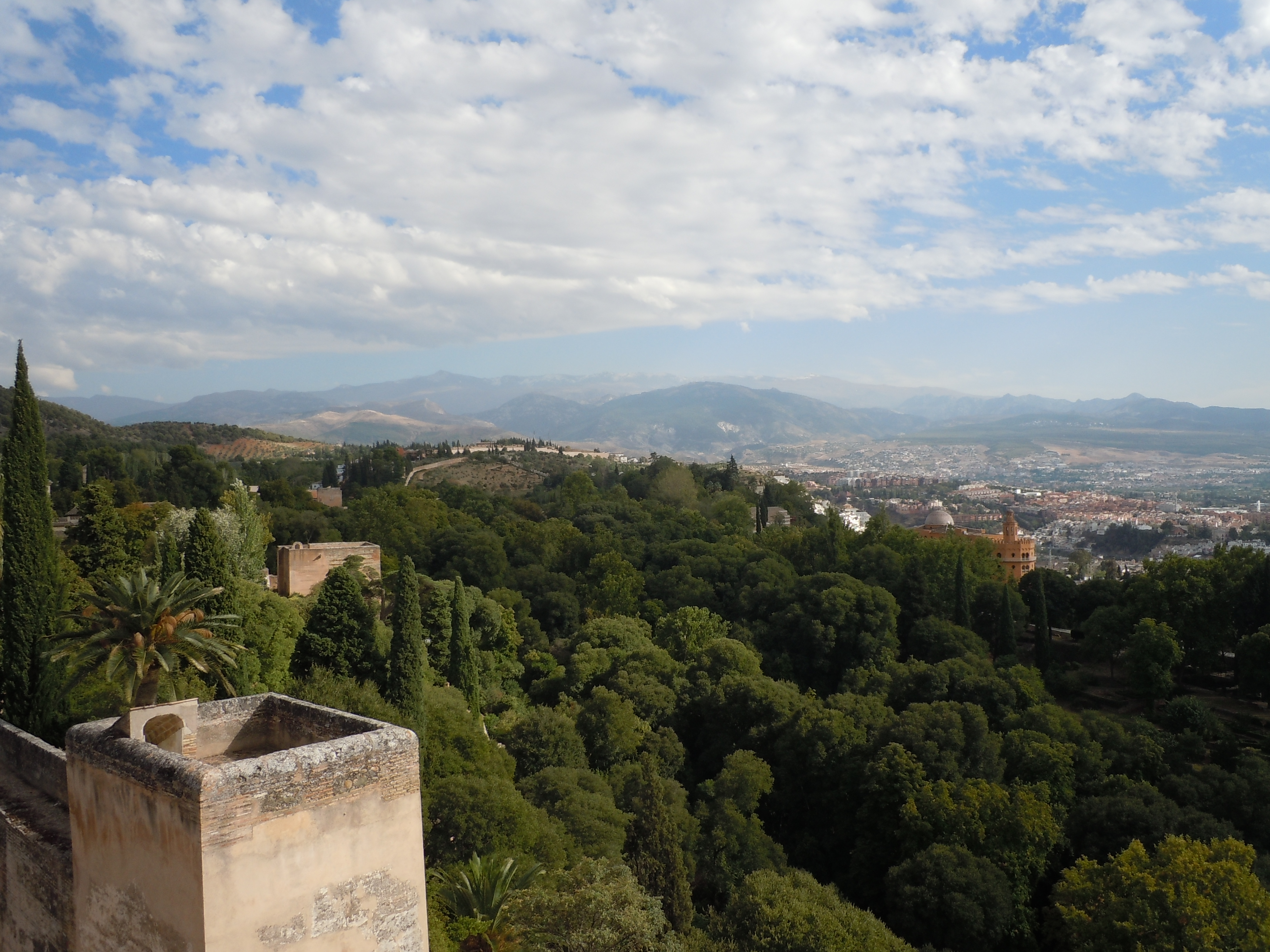
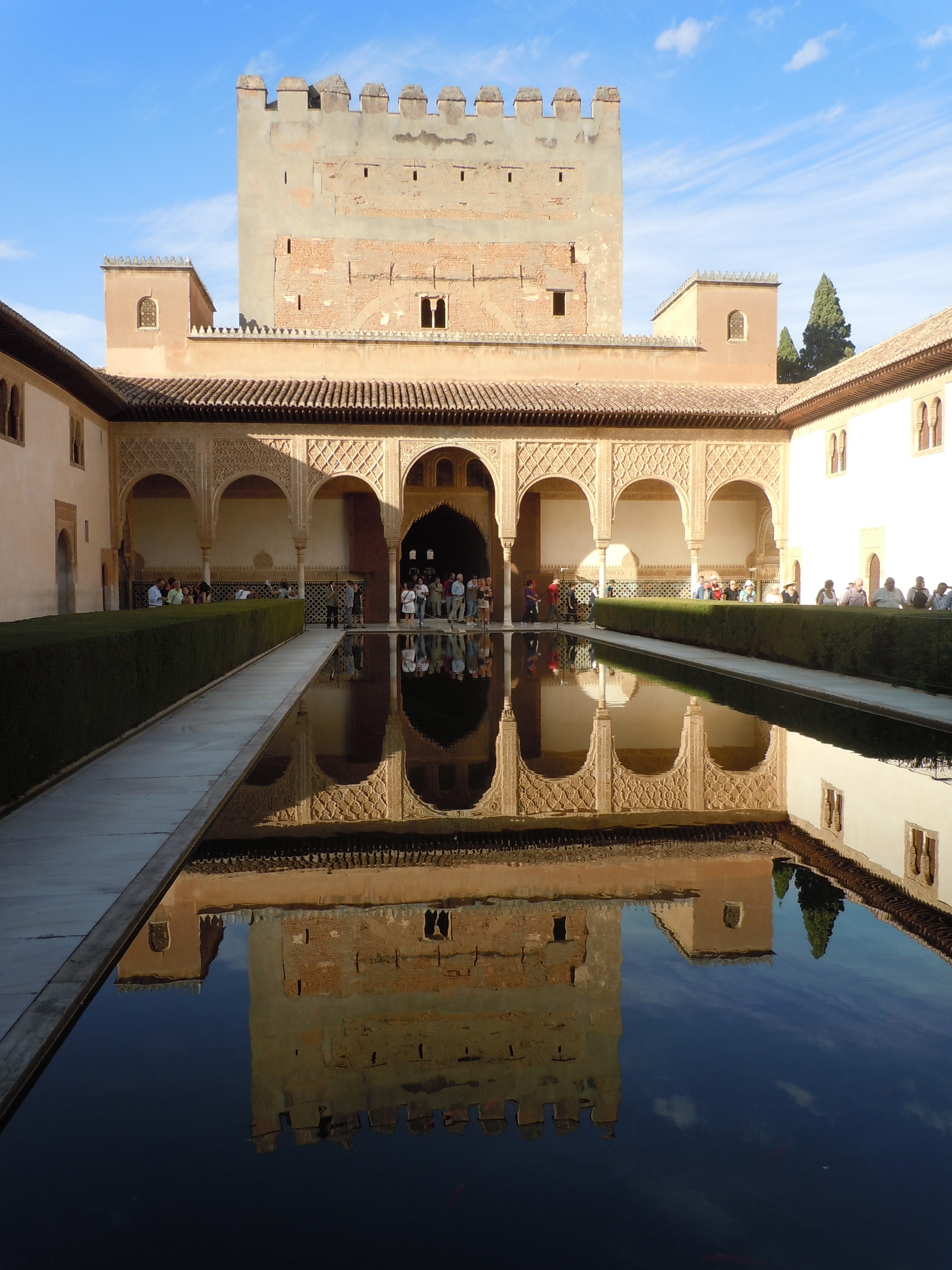
Perhaps the best example of the mix in styles and powers in Granada is the Alhambra. This ancient Arabic palace is truly a sight to behold. It sits grandly on the top of a mountain and commands an impressive view of the surrounding landscape, once acting as part royal palace, part military stronghold. It was originally built and occupied by Islamic rulers, but after Ferdinand and Isabella came in, Christian monarchs added churches and other ‘Christian’ additions. It is quite an interesting mix of architecture and history.
The Symbol
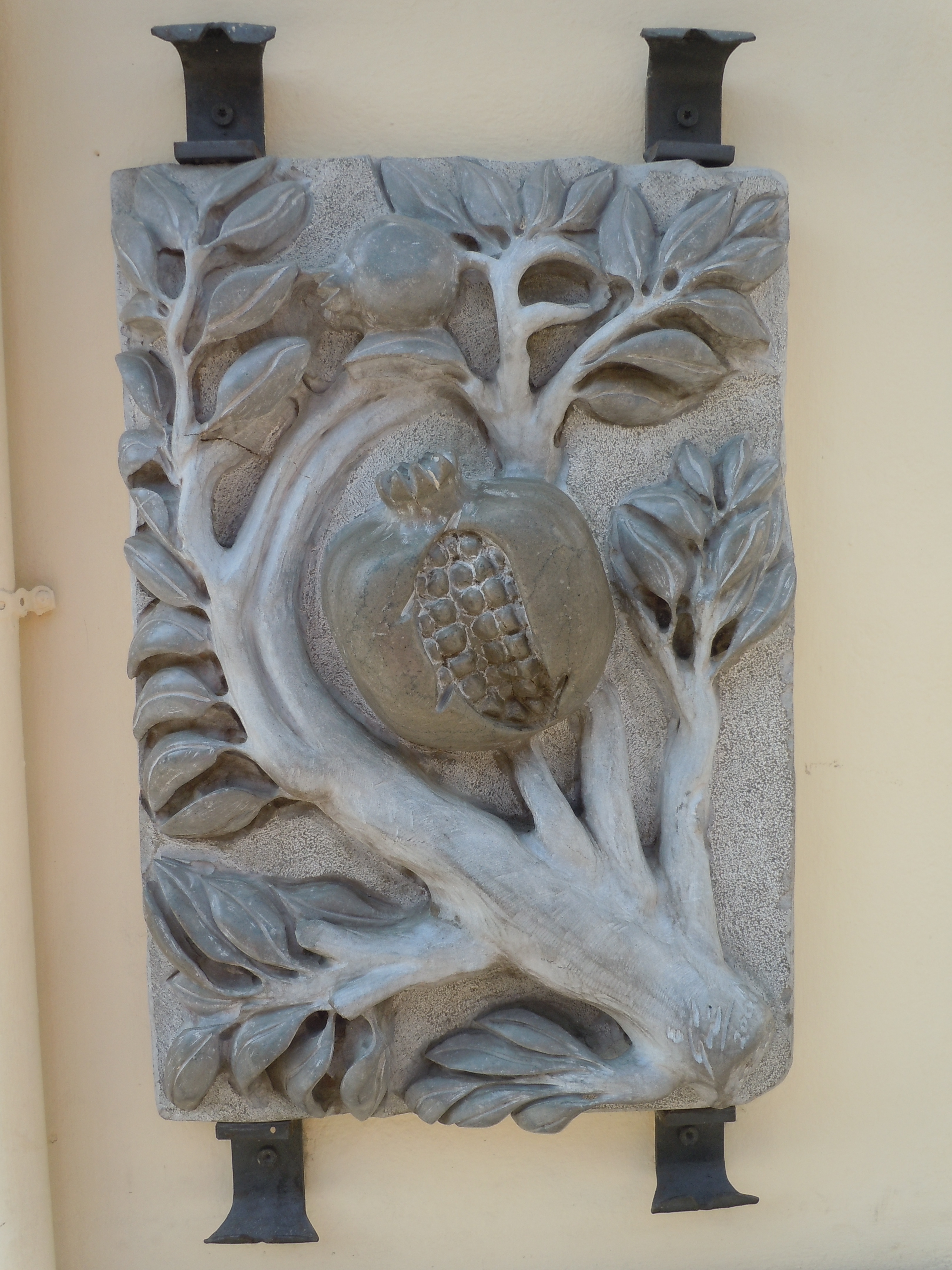
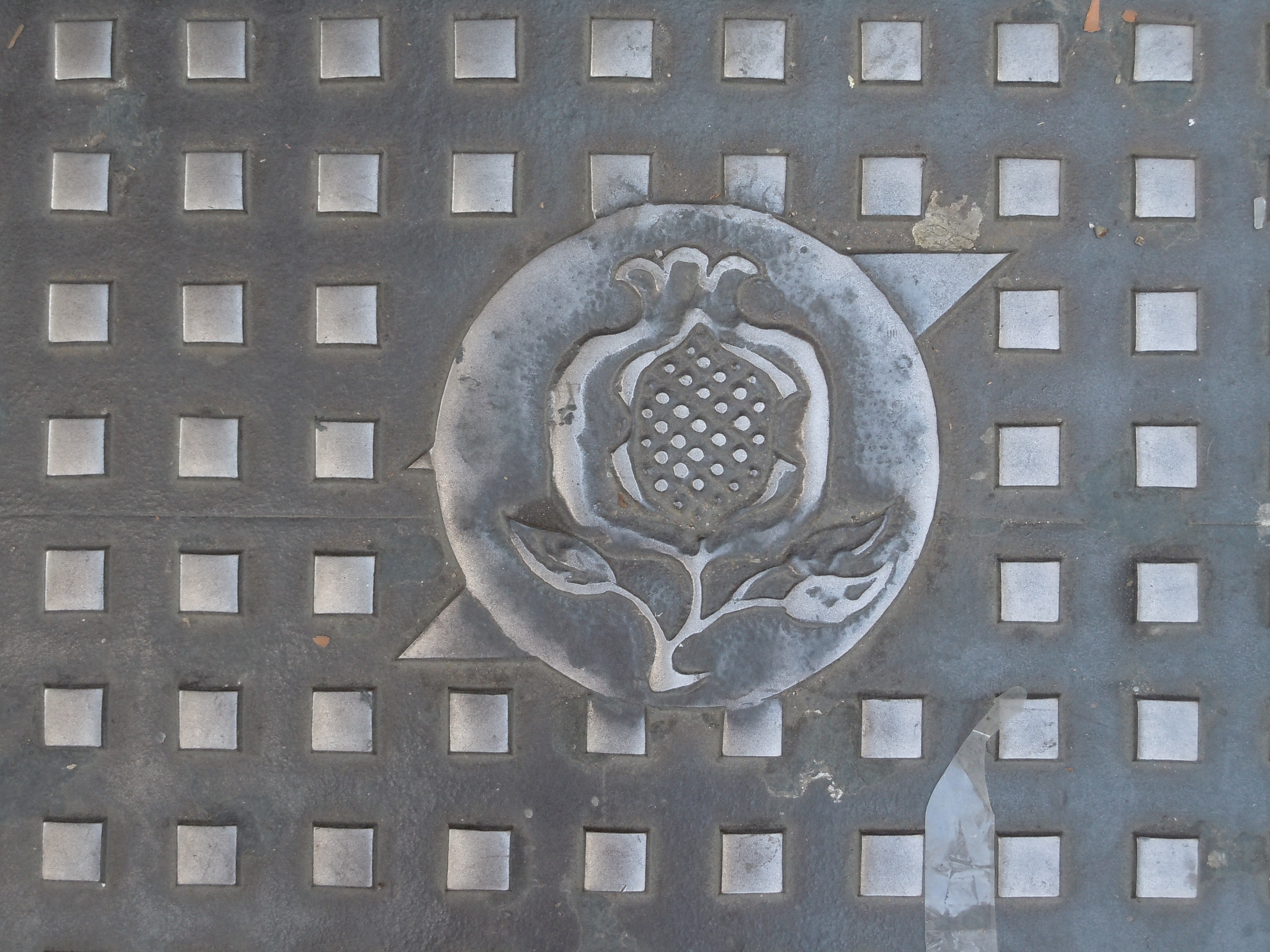
‘Granada’ in Castilian actually means pomegranate. Apparently, the original Arabic name for the city sounded something like ‘granada’ and when the Castilian-speaking Isabella came in, she decided to keep the name and embrace the fruit pun. To this day, the symbol of the city is a pomegranate and it is EVERYWHERE, from sidewalk tiles to pipes. I, ever a lover of a good play on words, made it my mission to take pictures of every pomegranate that I could spot.
The Language
‘Granadinos’ speak Castellano (Castilian), which is what we Americans know of as Spanish. {*History lesson* There are actually four official languages in Spain: Castilian, Catalan, Galician, and Basque. The reason why we consider Castilian to be ‘Spanish’ is because when Columbus came to conquer the New World, he was being backed by the Castilian Queen of Spain, Isabella, and thus went about his conquesting in her language.} However, a true Andalucian speaks with a heavy Andalucian accent – a little bit of lisping mixed with not pronouncing the end of most words. Think, ‘grazEEah,’ ‘PORfah,’ and ‘Como aySTA.’ It couldn’t be further from the Mexican Spanish that we’re exposed to in the States, so I was very quiet for about the first month…
A Few Key Phrases for Faking Fluency in Granada:
– Vale (bal-EE): said about 300 times every minute, this phrase essentially means ‘ok’ but can be used in any context to signify agreement. Frequently, entire phone conversations can consist of one person actually speaking and the other just ‘vale’ing their way through.
– Guapo/a (GUAHpo/pa): This literally translates as ‘cute/hot/beautiful’ but is used as a nickname to anyone and everyone that you’re even remotely close with. ¿Qué pasa, guapa? What’s up girl?
– No sé (No SAY): I don’t know. Or, the more vulgar version, No tengo ni puta idea. (translation not fit for public)
-¡Más chupitos, por favor! (Mass chooPEEtoes PORfah): I’ll give you a hint, chupitos are small alcoholic beverages served in single-serving glasses….
There is also a rich vocabulary of curse words and vulgar terms, but innocent eyes might be reading, and we wouldn’t want to corrupt them, now would we?
The Food
Andalucia, particularly Granada, is known for its tapas. Tapas are a poor college student’s dream come true: small plates of food complimentarily served alongside every alcoholic beverage ordered.
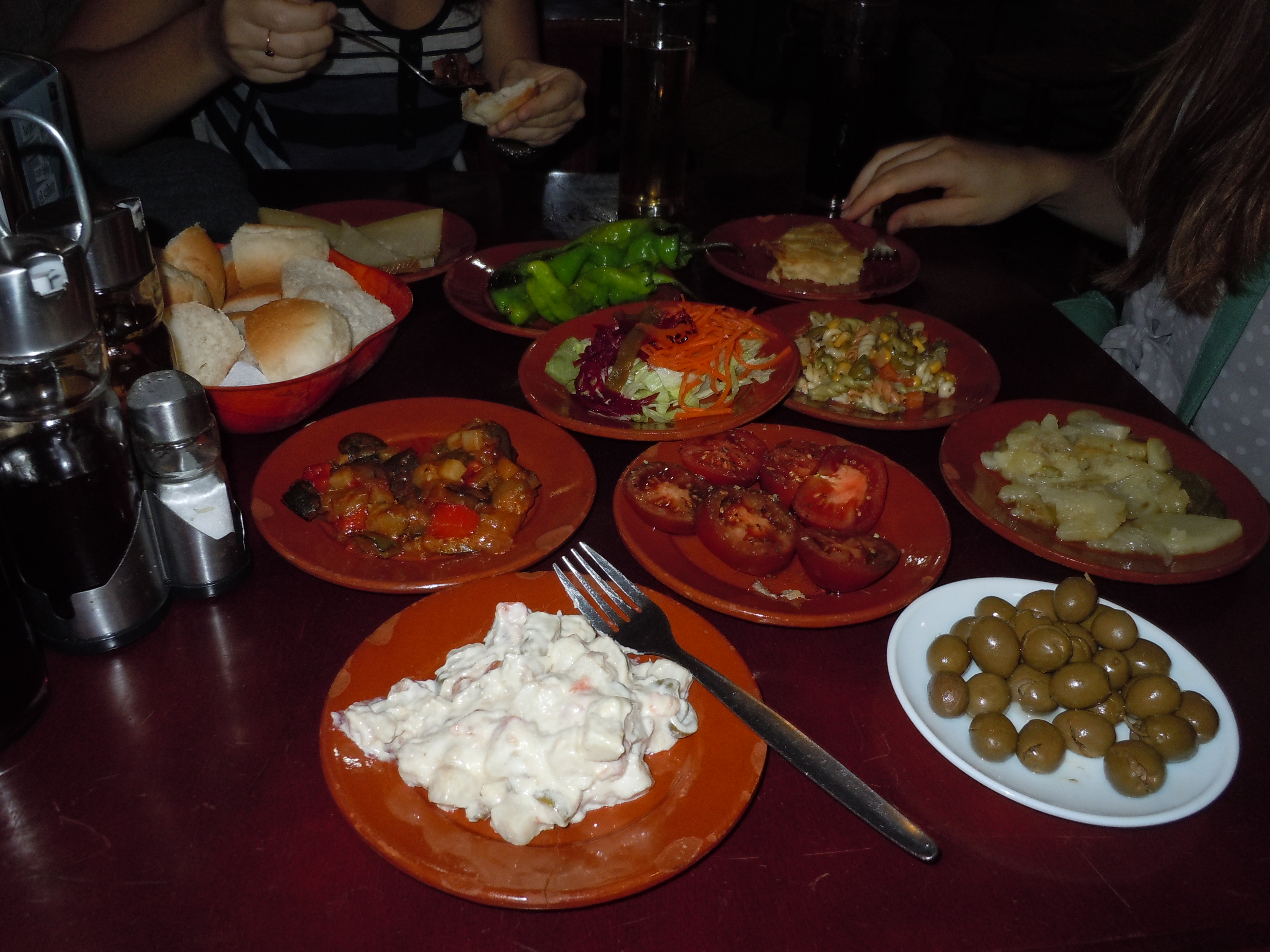
Spaniards love their meat, particularly the specially cured and thinly sliced jamón (ham) that seems to be snuck into everything. I kid you not, Spain is so crazy about this stuff that the interior decorating for some bars is just giant, cured, pig legs (hoof and all), suspended from the ceiling and covering the walls… it’s not a sight for the faint of stomach (or animal rights’ activists), to be sure. I wasn’t terribly crazy for the ham, but I did learn to love Manchego cheese (the Spanish version of our ubiquitous Cheddar, although I’d say that the flavor is closer to a slightly hardened version of Provolone), olives, and olive oil (by the liquid tonnage). Andalucia makes some AMAZING olives (hello, proximity to the Mediterranean), and, by extension, olive oil. The flavor of ‘humdrum’ olive oil in Granada was so good that I used it instead of butter on my toast. MMMMmmmmm…. I’m already drooling. Also, while I didn’t eat as much of these as I would have liked, a popular breakfast in Spain is Churros and Chocolate… a fantastic blend of fried dough (lighter and crispier than a doughnut) and thick, rich chocolate sauce for dipping (and drinking – you don’t waste this precious nectar-of-the-gods).
As far as liquid nutrition goes, I will say that Spain turned me into a passionate wino, particularly for wines from the Rioja region. And let’s not get started on the Sangria… I sampled quite a few different versions of this magical punch, but the generic recipe seemed to include red wine, oranges, apples, and cinnamon (yes, really) but could get a little crazy with additions like bananas, pineapples, and fruit juices. Ok, now I’m really drooling…
 Restless Spirit Syndrome
nice post! reading this hungry was a poor decision however